
This continuous training program which aims to increase the basic financial literacy for targeted farmer groups.Importance of Farmer Education
Importance of Farmer Education
Farmers
— beginning and experienced — are critical to creating rural prosperity in the United States. However, farmers face unique challenges and require education and training to ensure their success.
Training helps farmers to incorporate the latest scientific advances and technology tools into their daily operations. The results of enhancing their operations with these tools increases efficiency and can also lead to:
Training helps farmers to incorporate the latest scientific advances and technology tools into their daily operations. The results of enhancing their operations with these tools increases efficiency and can also lead to:
Agricultural Scholars Program
There are endless possibilities in building your own business. It all starts with an idea.
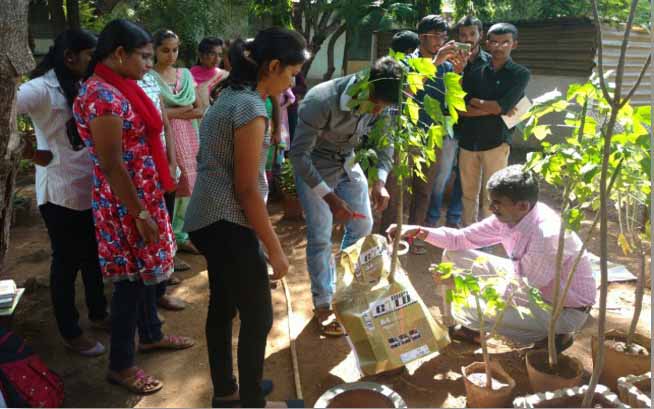
Agricultural Safety
Training farmers, ranchers, and tree farmers to operate machinery safely and use protective equipment correctly can help reduce the high number of accidents.
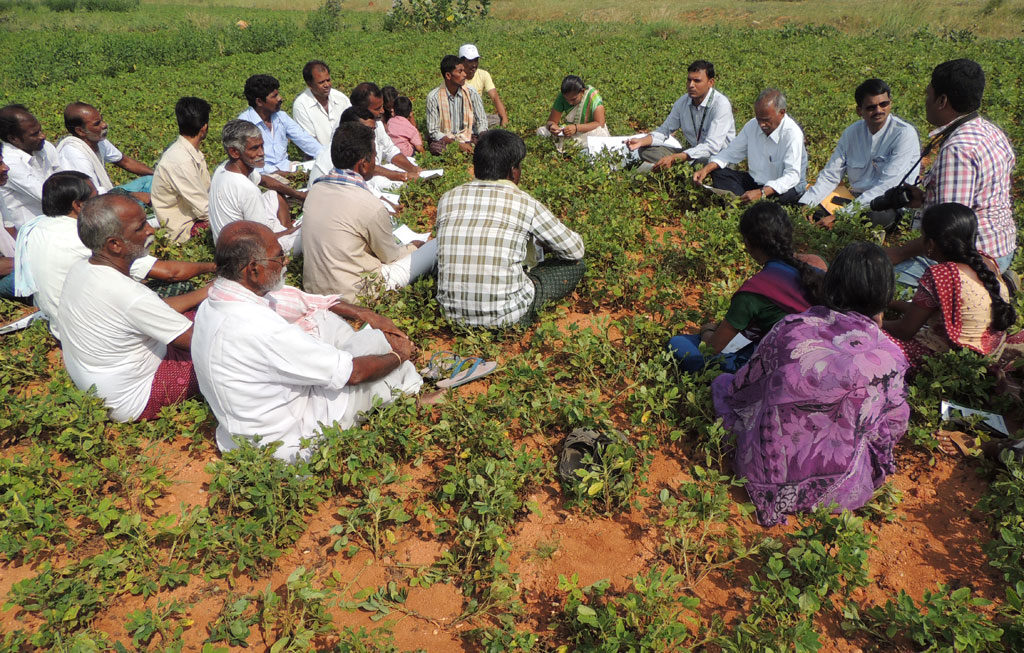
Agriculture Technology
Farmers no longer have to apply water, fertilizers, and pesticides uniformly across entire fields. Instead, they can use the minimum quantities required and target very specific areas, or even treat individual plants differently.
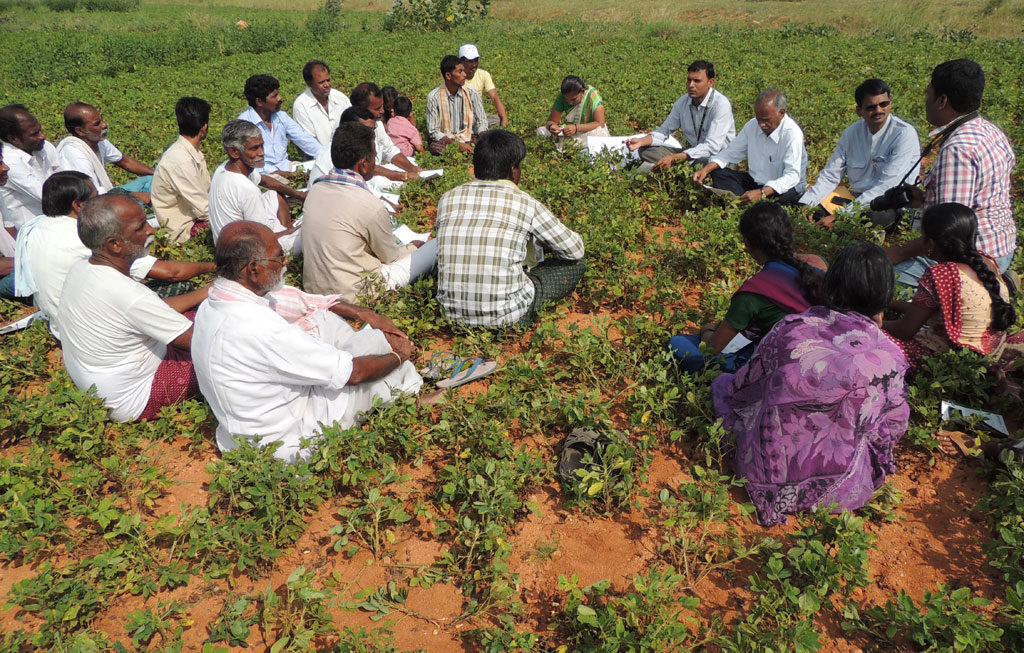
Organic Agriculture
Organic farmers, ranchers, and food processors use agricultural methods intended to preserve the environment. USDA organic regulations restrict the use of certain conventional tools such as synthetic fertilizers and pesticides.
- Engage farmers and ranchers in the development and adoption of practices that are profitable and environmentally sound.
- Support research and education intended to help farmers and ranchers mitigate and adapt to climate change
- Improve production efficiency, productivity, and profitability
- Address threats from pests and diseases
- Improve the quality of surface water and groundwater resources
John Doe
Sustainable Agriculture
Agriculture often places significant pressure on natural resources and the environment. Sustainable agricultural practices are intended to protect the environment, expand the Earth’s natural resource base, and maintain and improve soil fertility. Based on a multi-pronged goal,
Increase profitable farm income
Promote environmental stewardship
Enhance quality of life for farm families and communities
Increase production for human food and fiber needs
Increase profitable farm income
Promote environmental stewardship
Enhance quality of life for farm families and communities
Increase production for human food and fiber needs